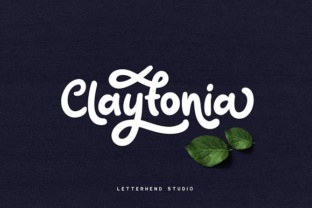
Claytonia Font: Bold Script for Handmade Products
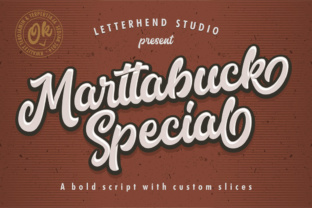
As a small business owner and product creator, finding the perfect typeface is often about balancing artistic expression with commercial viability. We need fonts that look authentically handmade but remain legible on a three-inch candle label or a digital Instagram graphic. Claytonia is a bold script typeface that hits this specific sweet spot. Unlike delicate, wispy scripts that disappear when printed small or cut from vinyl, Claytonia offers a fluid appearance with enough weight to hold its own in physical production. It is completely drawn by hand, giving it that organic texture our customers crave, yet it includes robust OpenType features that make professional design workflows significantly smoother.
Elevating Product Packaging and Labels
The primary challenge in packaging design for handmade goods is creating hierarchy without clutter. When you are designing labels for jars, bottles, or boxes, the product name needs to be the hero. Claytonia functions exceptionally well as a display font in these scenarios because of its expressive letterforms. The bold strokes ensure high contrast against textured paper, kraft labels, or colored glass. For example, if you are creating soy candle labels, using Claytonia for scent names like "Lavender & Sage" creates an immediate focal point that feels premium and boutique-quality.
This visual weight also translates beautifully to product tags and thank-you cards. When stamping or printing on uncoated stock, thinner lines can sometimes break or look faint. Claytonia’s substantial stroke width mitigates this risk, ensuring your branding looks crisp whether it is digitally printed or applied via heat transfer. This reliability makes it a staple asset for sellers who produce their own packaging materials in-house.
Practical Applications for Cutting Machines
For crafters using Cricut or Silhouette machines, font selection is a technical decision as much as an aesthetic one. Intricate scripts with hairline connections are notorious for tearing during weeding or failing to adhere properly to transfer tape. Claytonia’s bold nature makes it inherently more friendly for vinyl projects. The letters connect smoothly without fragile bridges, making it ideal for:
- Custom Apparel: Names on tote bags, sweatshirts, and baby onesies where durability matters.
- Car Decals: Short phrases or family names that need to withstand weather and washing.
- Home Decor Signs: Wood or acrylic signs where the vinyl needs to lay flat without lifting edges.
- Sticker Sheets: Die-cut stickers for planners or laptops that require clean, weedable contours.
When working with this typeface for cutting, always convert your text to outlines or paths before sending to your machine software. This preserves the custom ligatures and swashes exactly as designed, preventing any substitution errors during the export process.
Wedding Stationery and Event Branding
In the realm of invitations and event stationery, readability is paramount. Guests need to quickly identify names, dates, and locations. While many script fonts prioritize ornamentation over function, Claytonia maintains excellent legibility even at smaller sizes suitable for RSVP cards or table numbers. Its hand-drawn charm adds warmth to wedding suites without feeling overly formal or stiff, making it perfect for modern, boho, or garden-themed events.
Beyond the invitation itself, this font shines in large-format applications. Welcome boards, seating charts, and neon sign templates benefit from Claytonia’s expressive energy. Because the letters are bold, they photograph well in social media mockups and portfolio shots, helping stationery designers showcase their work effectively online. When designing editable templates for clients, Claytonia provides a user-friendly experience; even those without advanced typography skills can achieve a professional look simply by typing, thanks to the built-in contextual alternates that adjust letter connections automatically.
Digital Downloads and Printable Wall Art
For creators selling digital printables or SVG files, perceived value drives sales. A design featuring a generic system font often looks unfinished, whereas a premium font like Claytonia signals quality. When designing wall art quotes, nursery decor, or seasonal greetings, the fluid appearance of this script adds movement and emotion to static designs. It works particularly well for affirmations, bible verses, or personalized family name prints where the human touch is the selling point.
When listing these items in your shop, use Claytonia in your listing images to demonstrate versatility. Show the font used in a dark mode version for digital planners and a light mode version for printable art. This helps potential buyers visualize how the typeface adapts to different mediums, increasing the likelihood of conversion for both the end product and the font license itself.
Strategic Font Pairing for Commercial Design
A bold script cannot stand alone in every application. To create balanced, professional layouts, pairing Claytonia with complementary typefaces is essential. The goal is to let the script shine while supporting it with functional text.
- Clean Sans Serif: Pair Claytonia with a geometric or neutral sans serif font for body copy, ingredient lists, or contact information. The simplicity of the sans serif contrasts beautifully with the ornate script, enhancing overall readability.
- Classic Serif: For a more traditional or heritage brand identity, combine Claytonia with a refined serif font. This pairing evokes nostalgia and craftsmanship, ideal for artisanal food products or vintage-style apparel.
- All-Caps Display: Use a bold, spaced-out uppercase font above or below Claytonia to frame the script. This technique anchors the flowing letters and adds structural stability to logos and headers.
Avoid pairing Claytonia with other highly decorative or handwritten fonts, as this creates visual competition and reduces legibility. Let Claytonia be the star of the show while other elements play supporting roles.
Leveraging OpenType Features for Uniqueness
One of the most valuable aspects of Claytonia for product creators is its extensive OpenType feature set. These aren't just bonus glyphs; they are tools for customization that prevent your products from looking identical to others using the same font. Accessing stylistic alternates allows you to swap standard characters for unique variations, adding bespoke flair to specific words in a logo or title. Ligatures automatically join specific letter combinations to mimic natural handwriting flow, eliminating awkward gaps that can ruin the illusion of hand-lettering.
Before finalizing any design, explore the glyph panel in your design software. You may find swashes that extend beautifully off the edge of a business card or alternate capitals that better suit a vertical layout. Utilizing these features transforms a standard typeface into a custom logotype, adding significant value to your brand identity and client deliverables.
Navigating Commercial Licensing for Sellers
Understanding licensing is critical for protecting your business. When incorporating Claytonia into products for sale, verify that your license covers the intended use. Typically, desktop licenses cover physical end products like mugs, shirts, and printed stationery up to a certain quantity. However, if you plan to sell editable templates, digital fonts, or SVG cut files where the end user interacts with the typeface directly, you will likely need an extended or commercial template license.
Always review the specific EULA (End User License Agreement) provided with Claytonia. Respecting intellectual property not only keeps your shop compliant but also supports the independent type designers who create these essential creative assets. Proper licensing ensures you can focus on creating and selling with confidence, knowing your beautiful handmade products are built on a solid legal foundation.